
Functional Dentistry
Most dental visits focus on one question: is anything broken right now? That's useful, but it misses something. If you're dealing with recurring cavities, a grinding habit, chronic jaw soreness, or fatigue that doesn't go away, those aren't random problems. They're patterns, and patterns have causes that a standard checkup isn't designed to find.
At Tidal Dental Wellness, Dr. Adamson uses 3D imaging, bite analysis, and airway assessment to look at what's actually driving those patterns. Whether it's how your bite distributes force, how well you're breathing at night, or the bacterial balance in your mouth, the goal is a real explanation and a plan that addresses the source. Most patients leave their first visit understanding their mouth better than they ever have.
We see patients from Homer and across the Kenai Peninsula at 4014 Lake Street, Suite 210. Call (907) 318-9888 to talk through what your first visit looks like. No commitment, just answers.
Before You Come In
- Think beyond your teeth. Bring a list of your medications, supplements, and any medical diagnoses. Also think about the things that usually don't come up at a dental office: how well you sleep, whether you wake up with headaches, and any jaw tension or sinus issues.
- Write down your top two or three concerns beforehand. It's easy to forget what you wanted to ask once you're in the chair. Jotting them down ahead of time means you leave with actual answers.
- Bring anything that shows your history. A sleep study, your night guard, X-rays from another office. If it documents what's been going on, bring it along.
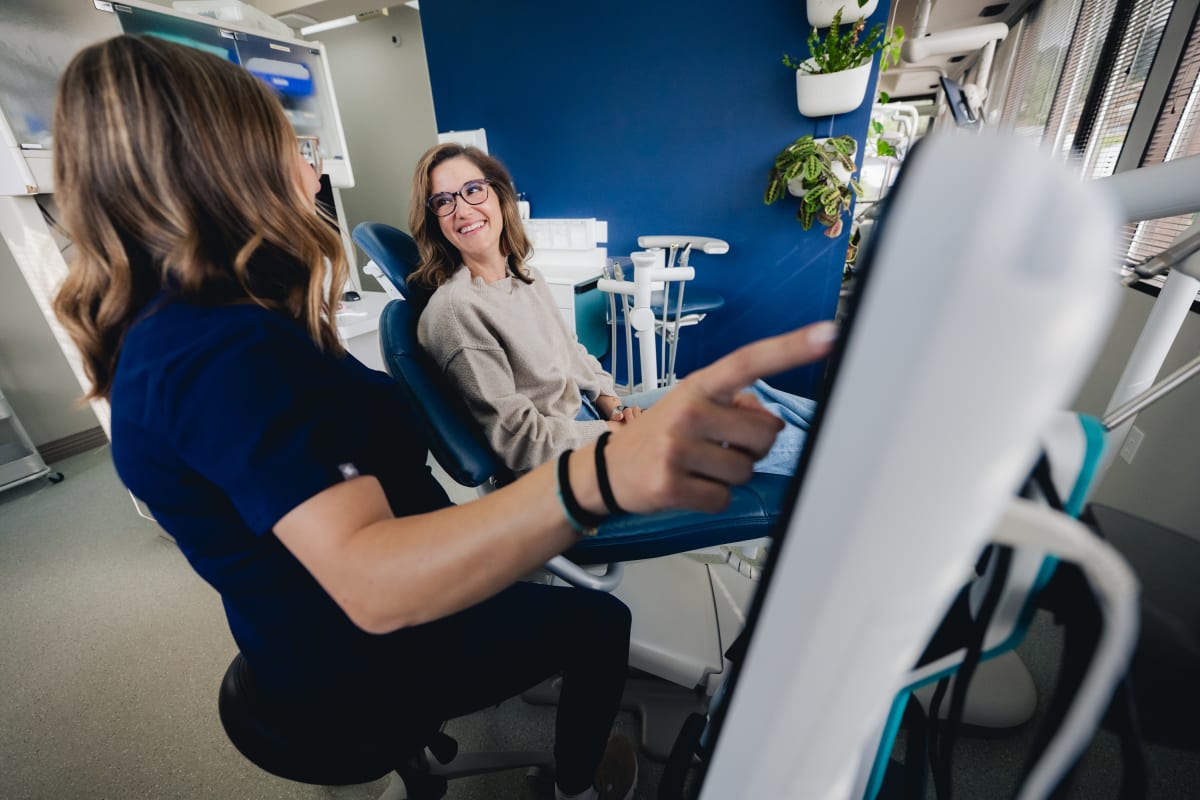
- Expect to actually see what's going on. Dr. Adamson uses 3D imaging and digital scanning to put your jaws, joints, and airway up on a screen. You will be able to see what she sees and leave understanding your own mouth well enough to explain it to someone else.
How a Functional Dentistry Exam Works
1. A Real Conversation First
We start by talking rather than drilling. What you've noticed, what's been bothering you, even if your partner has mentioned snoring. A lot of symptoms that seem totally unrelated to your teeth actually aren't, so we ask about all of it. Dr. Adamson handles this part herself, because your history is usually where the most useful clues are hiding.
2. A Thorough Look at Your Whole Mouth
The exam starts with your teeth, but it doesn't stop there. We also look at your gum tissue, how your bite comes together, your jaw joints, how your tongue sits at rest, and the soft tissue inside your cheeks. We're looking for wear patterns, erosion, teeth that have flattened or chipped over time, and gum recession.
3. Imaging That Shows the Full Picture
Standard flat X-rays are good at finding cavities. Our 3D imaging goes further. It shows how your jaw joints, airway, and bone structure are actually shaped and how they work together. That's what helps us understand why your bite is loading the way it is, or why certain problems keep coming back.
4. We Walk You Through What We Found
Before anyone mentions treatment, we pull up your images and photos and walk through what they show in plain language rather than dental jargon. Then we talk through your options: what we found, what it means for your health, and what it would actually take to address it. The goal is that by the time you leave, you could explain your own mouth to someone else on the drive home.
How This Kind of Care Changes Your Dental Story
- The same problems stop coming back. If decay keeps forming in the same spot, or your gums stay inflamed no matter how carefully you brush, there's a reason, and it's usually not that you're doing something wrong. Finding that reason is what makes the fix actually stick.
- Someone actually looks at your airway. Most dental exams don't. The position of your jaw, how much space your tongue has, and the shape of your airway all affect how well you breathe while you sleep, and that shows up in how you feel the next day.
- Crowns that are designed to last. If a crown has failed before, the most likely reason is that nobody accounted for the grinding or bite force behind it. We measure that load first and build around it, including same-day crowns milled right here in the office.
- Your oral bacteria get taken seriously. Your mouth is home to hundreds of bacterial species (that's your oral microbiome), and not all of them are bad. The balance between them shapes your risk for cavities and gum disease more than most people realize.
- Catching a pattern early almost always means less dental work over your lifetime and less money spent fixing the same thing twice. It also means you leave actually understanding what's going on in your own mouth, which, honestly, most patients have never experienced.
Who Gets the Most Out of a Functional Exam
You don't need a complicated dental history to benefit from this. Some of the patients who get the most out of a functional exam would describe themselves as pretty on top of their dental care. If any of these sound familiar, this is probably worth your time:
- Chronic jaw tension, clenching, or TMJ discomfort that comes and goes without an obvious reason
- Snoring, waking up tired, or being told you stop breathing at night. These often have an airway explanation that a standard dental visit won't catch.
- Cavities or gum problems that keep coming back even when you're doing everything right. That pattern often points toward gum disease or an imbalance in your oral bacteria.
- Teeth that are visibly wearing down, chipping, or feeling different in your bite than they used to
- Kids who breathe through their mouth, have crowded teeth, or sleep restlessly. Jaws and airways are still developing at that age, so early guidance through pediatric dentistry can make a real difference down the road.
If you're dealing with something urgent right now, like a broken tooth, pain, or an infection, we handle that first. Once the immediate issue is resolved, we can take a step back and look at what might be behind it.
Before Your Visit and After

Coming In
- Write down your medications and supplements, and any medical conditions you have been diagnosed with, even ones that seem unrelated to your teeth.
- Think through your symptoms before you arrive. Headaches, poor sleep, jaw clicking, sinus congestion, acid reflux: none of it is too small to mention.
- If you have had a sleep study done or you wear a night guard, bring the results or the guard itself.
- X-rays from another office are always welcome. No need to repeat imaging you have already had.
Afterward
What comes next is specific to you, not a generic handout. Dr. Adamson will walk you through the daily habits that actually make sense for your mouth: how you are cleaning between teeth, what you are rinsing with, whether nasal breathing is something to work on, or whether a guard makes sense while we address the grinding.
Transparent Pricing, No Guessing
You'll know the fee before you book anything. A functional exam does cost more than a standard checkup because it covers a lot more ground, so if you'd like to hear the number first, just call us at (907) 318-9888 and our team will walk you through it.
Insurance is a mixed bag. The exam and imaging are often covered at least in part, but some of the additional assessment may not be. Before your visit, we'll look up your specific plan, what your deductible is, how much of your annual maximum you've used, and what's in and what's out, and go over payment options for anything your insurance doesn't pick up. All before you sit in the chair.
What Makes This Practice Worth the Drive
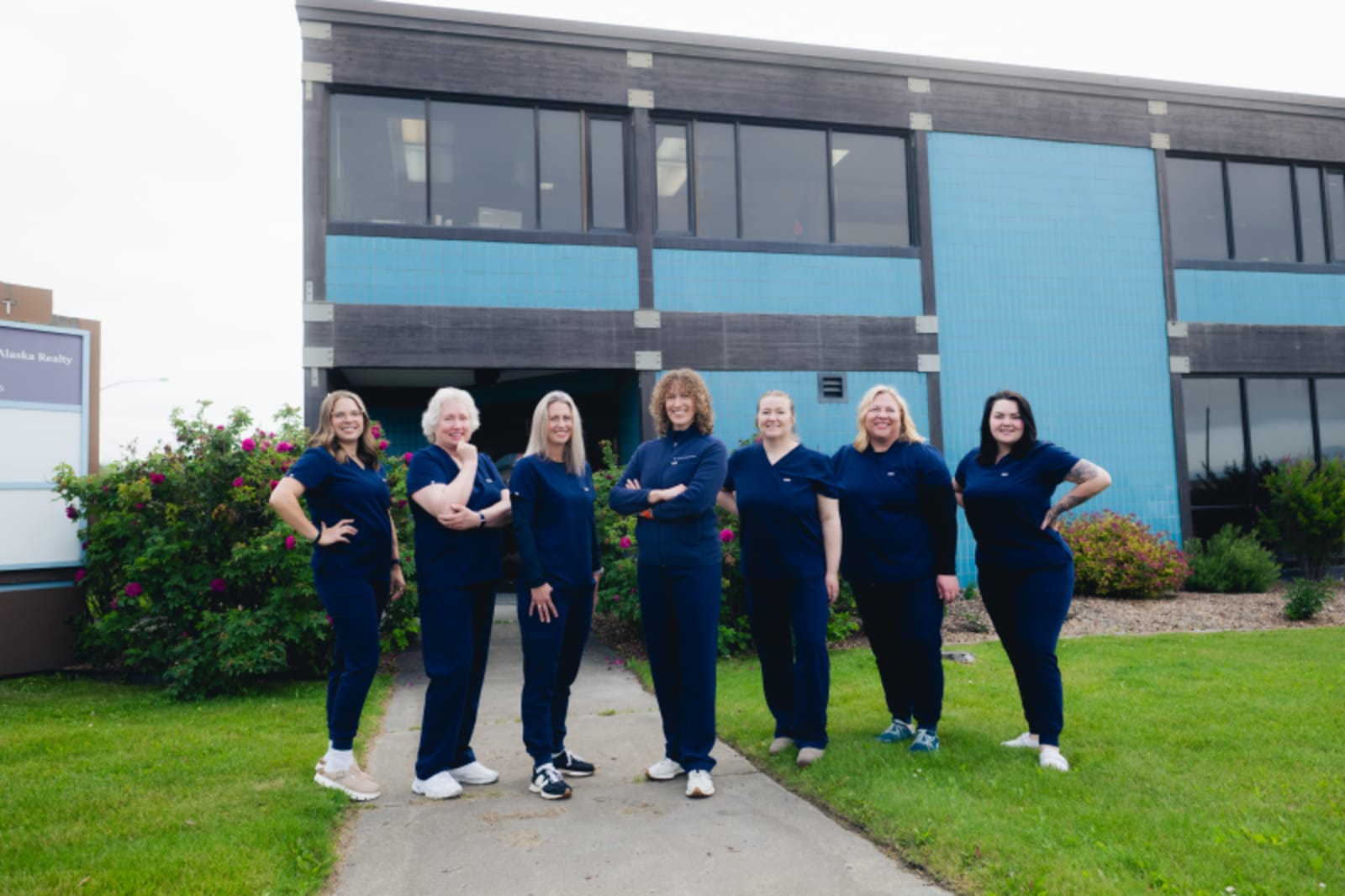
Dr. Adamson brings a level of clinical depth that's hard to find outside a major city. Here's what that looks like in practice:
- DDS from the University at Buffalo, followed by a General Practice Residency and five years treating Sailors, Marines, and Coast Guardsmen with the US Navy
- Over 500 hours of continuing education, with a genuine focus on airway-focused dentistry and oral microbiome health
- She explains what she finds on your imaging in plain language, until it actually makes sense to you
- CEREC same-day crowns, 3D imaging, 3D printing, and digital design, because you can't treat what you can't clearly see
Homer is a small town. That's no reason to settle for a rushed appointment. Small town, big dentistry.
FAQs About Functional Dentistry
Is Functional Dentistry the Same as Holistic Dentistry?
People use these terms interchangeably, but they mean different things. Functional dentistry is focused on finding the root cause of dental problems and understanding how your mouth connects to the rest of your health. Holistic dentistry tends to focus more on the materials used, like avoiding mercury-based fillings.
How Is This Different from What My Current Dentist Does?
Most dental visits are built around fixing what is broken right now: a cavity, a cracked tooth, inflamed gums. That is important work, and we do it too. What functional dentistry adds is the next question: why did that happen? The answer might be your airway, how your bite distributes force, your sleep quality, or the bacterial balance in your mouth.
Do I Still Need Regular Cleanings and Checkups?
Absolutely. Preventive care, including cleanings, exams, and X-rays, is the foundation. Functional dentistry builds on top of that, not instead of it. You still need the basics; we just do not stop there.
Is This Relevant for Kids, or Just Adults?
It is especially valuable for kids. Children's jaws and airways are still developing, which means there is a real window to guide that growth in a healthier direction. If your child is mouth breathing, has crowded teeth, or sleeps restlessly, those are worth paying attention to early.
What If You Find Something Serious?
We will show you exactly what we are seeing on the screen, explain what it means in plain language, and walk you through your options, starting with whatever is most urgent. You will not leave the appointment wondering what just happened.
Ready to Get Some Real Answers?
If you've been dealing with something that hasn't added up, jaw pain, recurring cavities, poor sleep, or teeth that keep wearing down, this is the kind of visit where you actually find out why. Come in with the two or three things you most want answered. Dr. Adamson will take the time to look carefully, walk you through what she finds, and explain it in plain language until it clicks. No guessing, no vague next steps.
Give us a call at (907) 318-9888 and we'll walk you through what the first visit looks like, what it costs, and what your insurance covers, all before you ever sit in the chair. We're open Monday through Thursday, 8:00 am to 3:00 pm, at 4014 Lake Street, Suite 210 in Homer. Small town, big dentistry.